Swedish History Museum Highlights
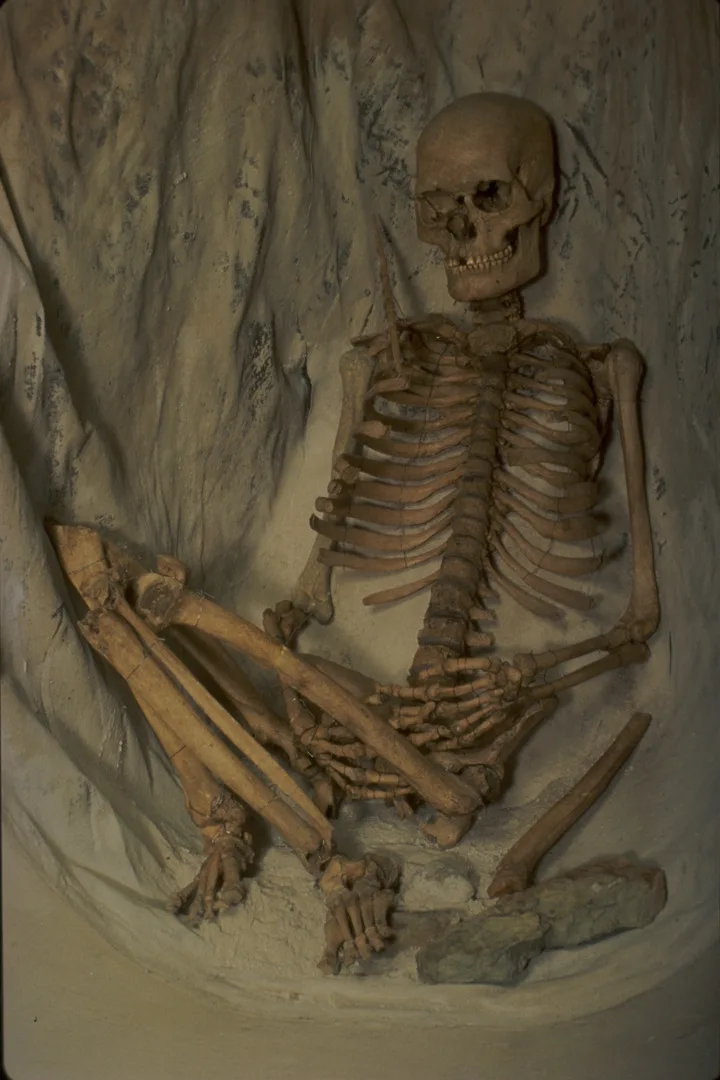
The woman from Barum
The woman from Barum was a hunter and lived in the Stone Age, 9,000 years ago. We do not know how she died, but she was buried on a spring day by a lake in Skåne. Here you see a copy of an arrow found in her grave. When she lived, large parts of Sweden were covered by water. People did not live in one place but moved around.
On view at Historiska museet in the exhibition Forntider
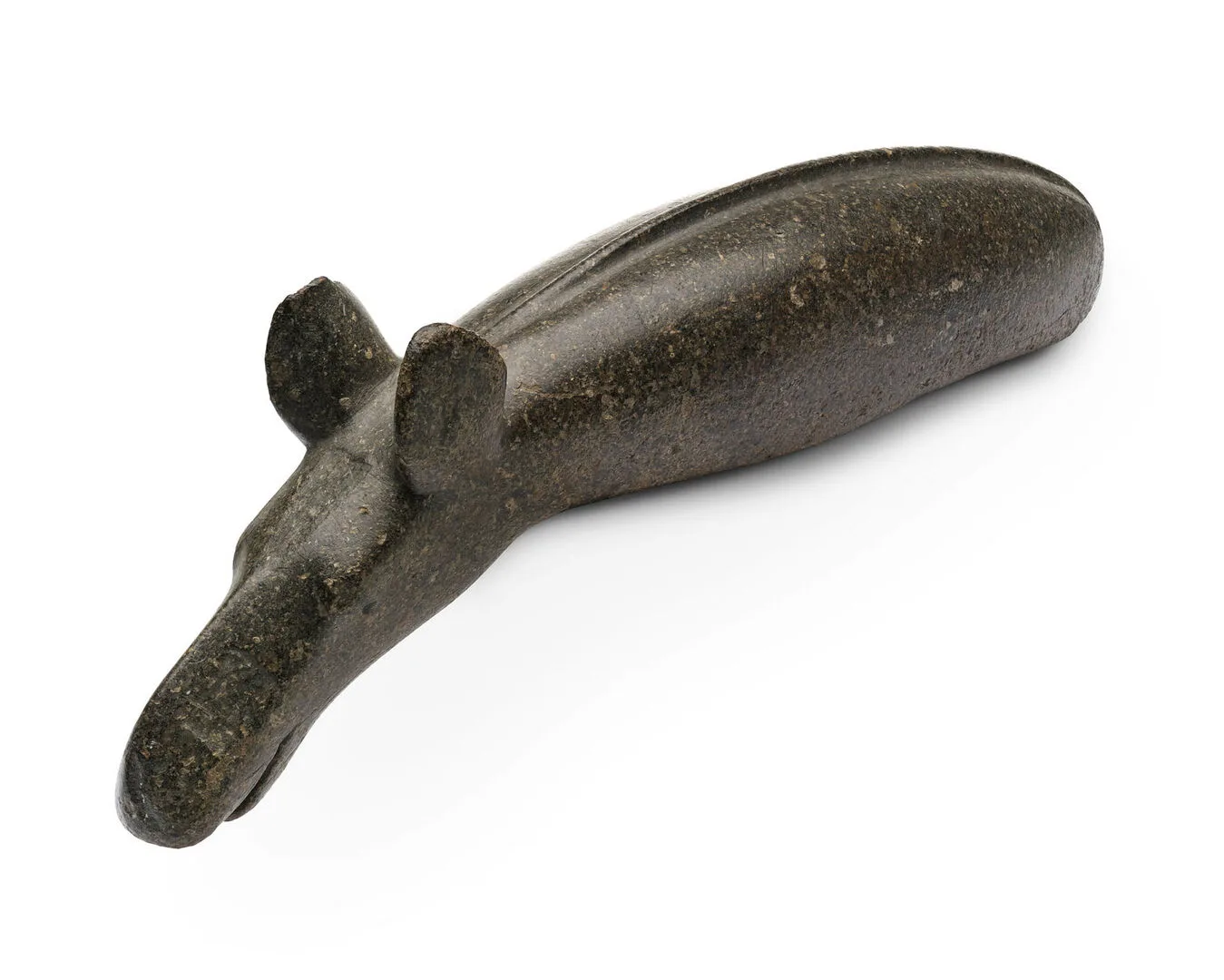
Alunda elk
This elk, which is also an axe, was made during the Stone Age, sometime between 3000 and 2000 BC. It was common to place valuable objects in lakes as offerings to the gods. The Alunda elk was found in Uppland, but made on the other side of the Baltic Sea where this type of greenstone occurs.
On view at Historiska museet in the exhibition Forntider
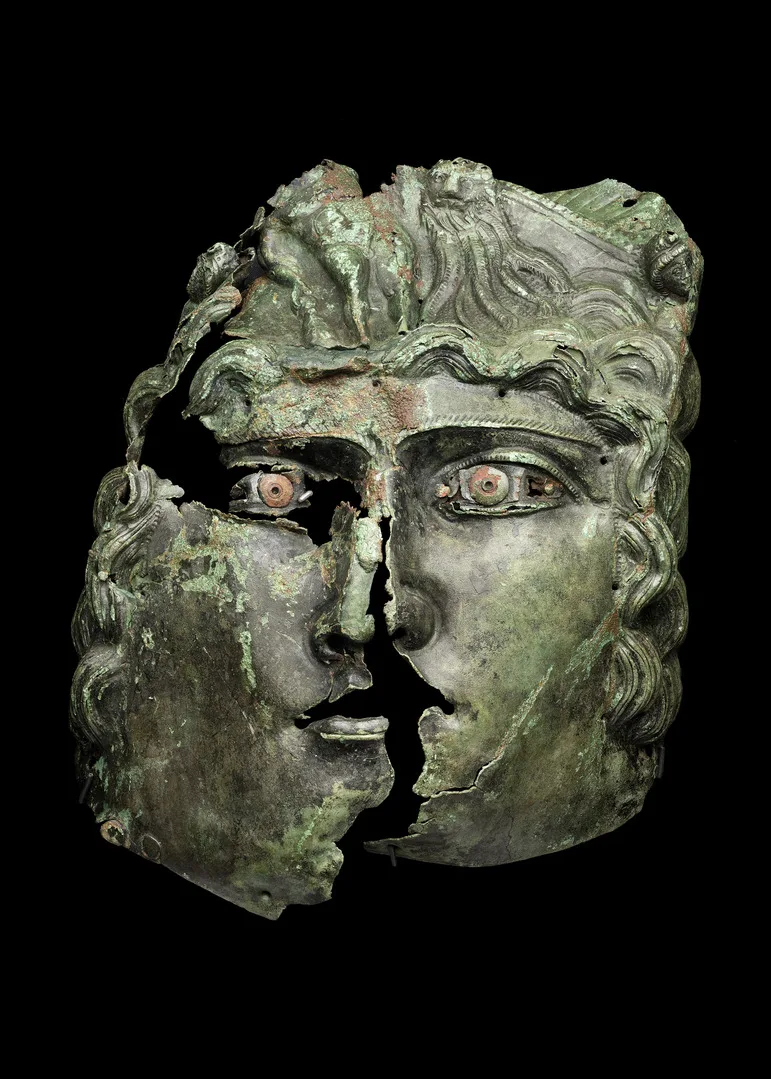
A 2,000-year-old rider's mask
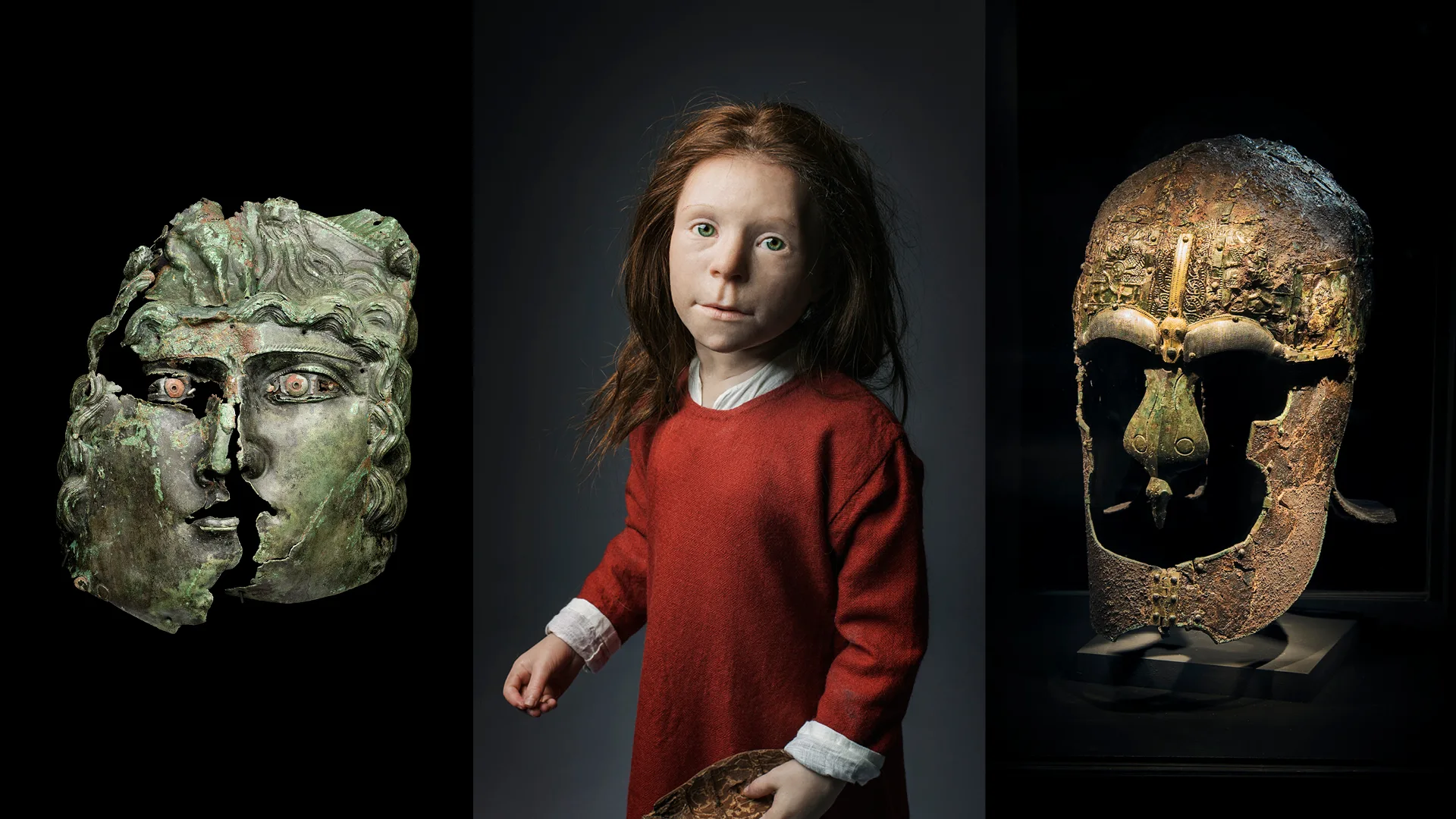
The Hellvi mask was made sometime in the 2nd century AD, during the Iron Age. It was used by equestrians during displays and parades in the Roman Empire. Can you see the eyes on the mask? They were not there originally, as the rider would not have been able to see. The mask was found on Gotland. How it ended up there, and who added the eyes, we do not know. Perhaps it was someone who had served in the Roman army and brought it back home to the island.
On view at Historiska museet in the exhibition Guldrummet
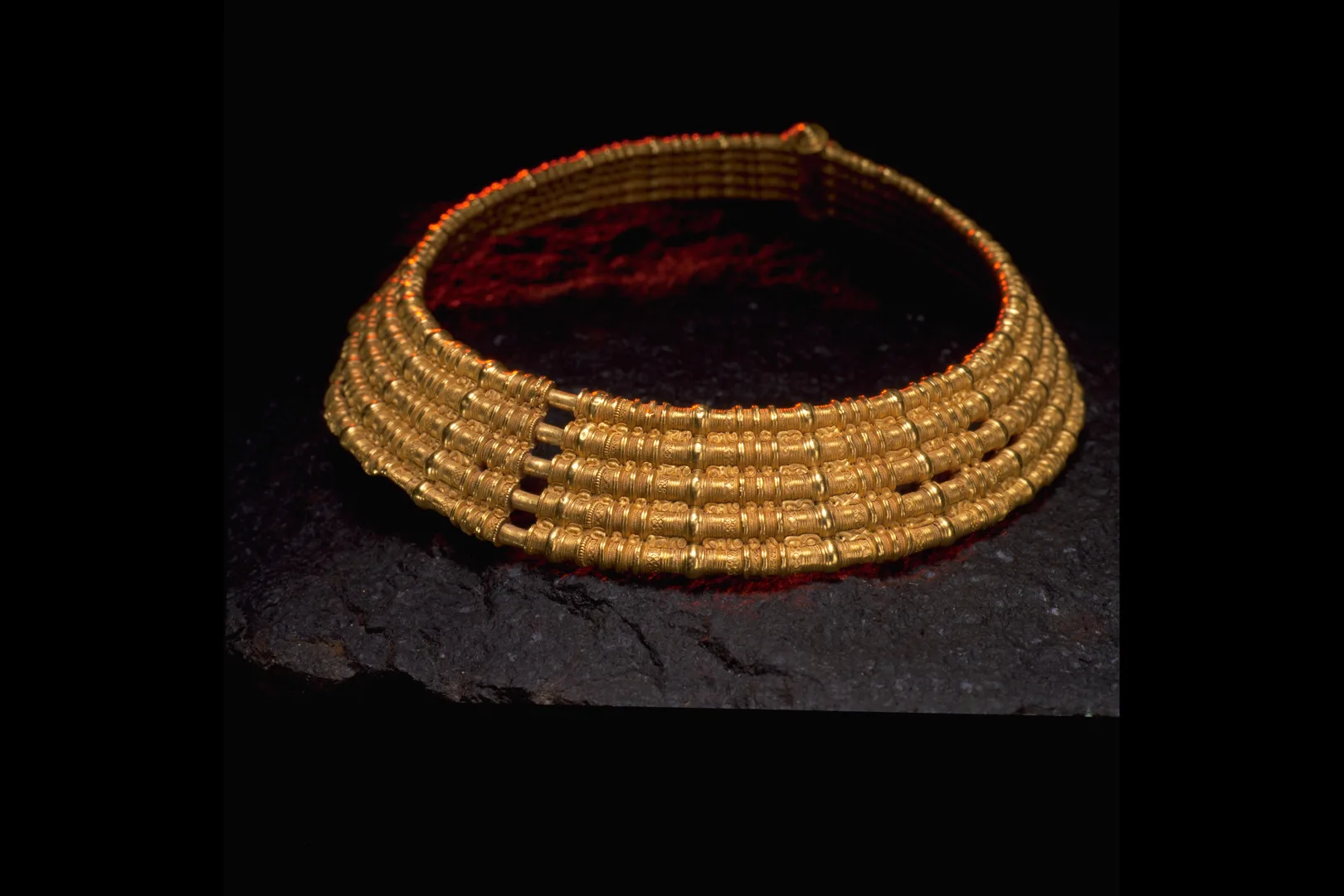
Gold collar from the Iron Age
"What is that filth?" the 15-year-old farmhand Johan Peter Petersson allegedly exclaimed when, in 1860, he found the gold collar in the ground. He received a large sum from the state in exchange for his discovery. The golden collar from Färjestaden was made between AD 400 and 550 and is one of three unique Iron Age gold collars in the world. All three are on display at the Swedish History Museum in Stockholm.
On view at Historiska museet in the exhibition Guldrummet
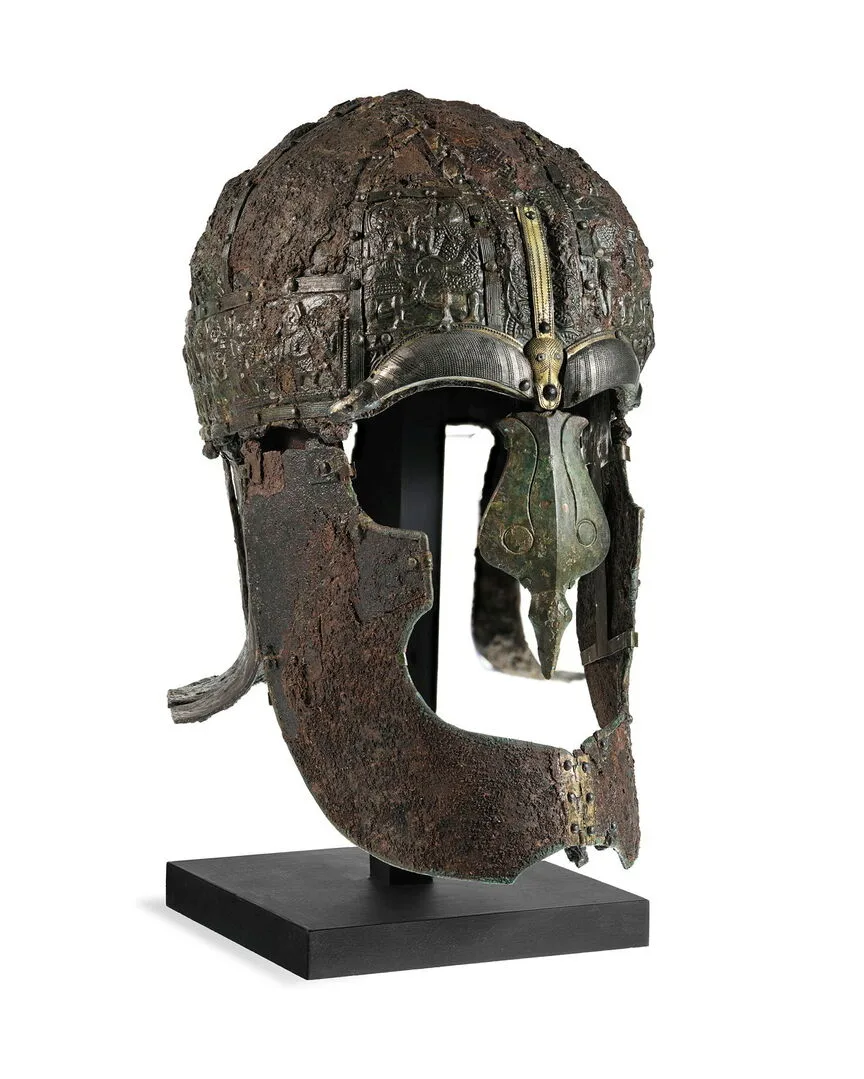
Helmet from Vendel
The helmet is over 1,400 years old and was found in Uppland in an Iron Age grave. On the Vendel helmet there are symbols that were believed to give a warrior strength and help intimidate enemies. But its most important function was probably to protect the head. What if today’s helmets were as decorated as this one!
On view at Historiska museet in the exhibition Forntider
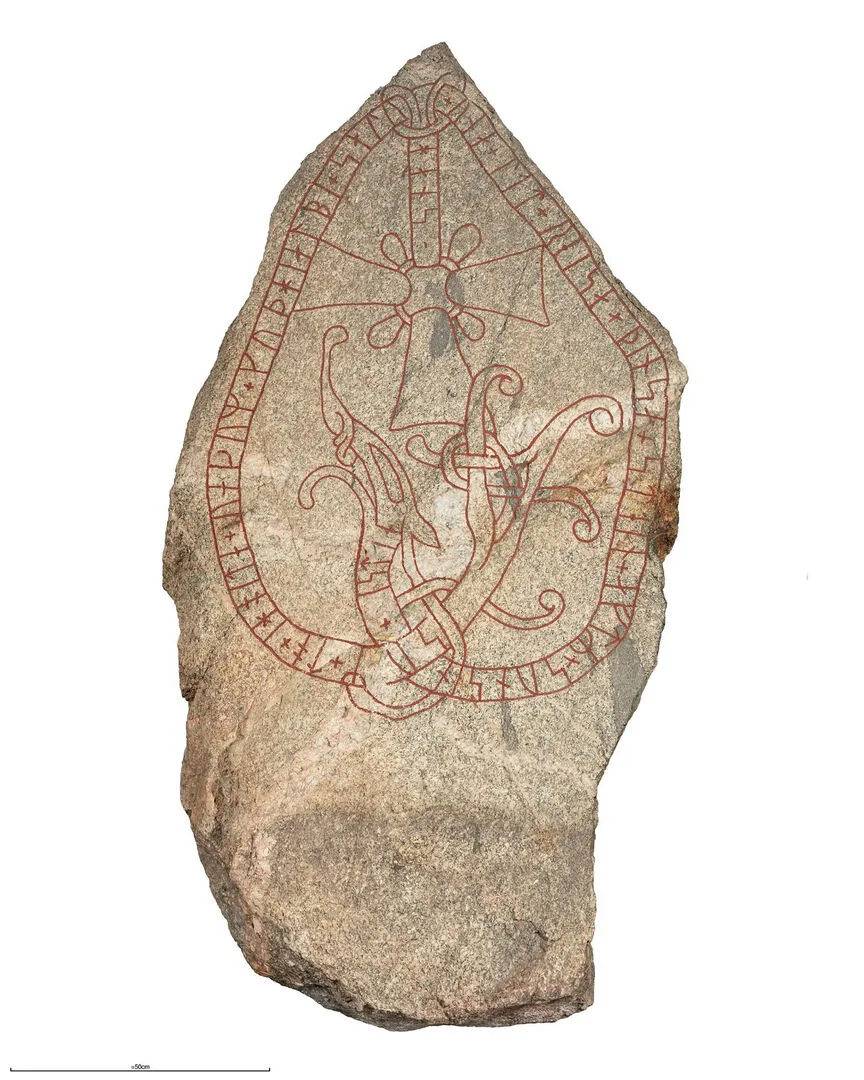
Unna's stone
Rune stones were the advertising billboards of the Viking Age. The stones were erected in places where many people passed by and were painted in various colours to make them clearly visible. Not just anyone could raise a stone – only those with power or land rights. The stone from Torsätra in Uppland was commissioned by a woman named Unna. The Unna stone is one of around 2,500 rune stones preserved in Sweden. You can see one of them in Gamla Stan, the Old Town.
On view at Historiska museet in the exhibition Vikingarnas världFind this object in display 94, Vikingarnas värld Monter 94
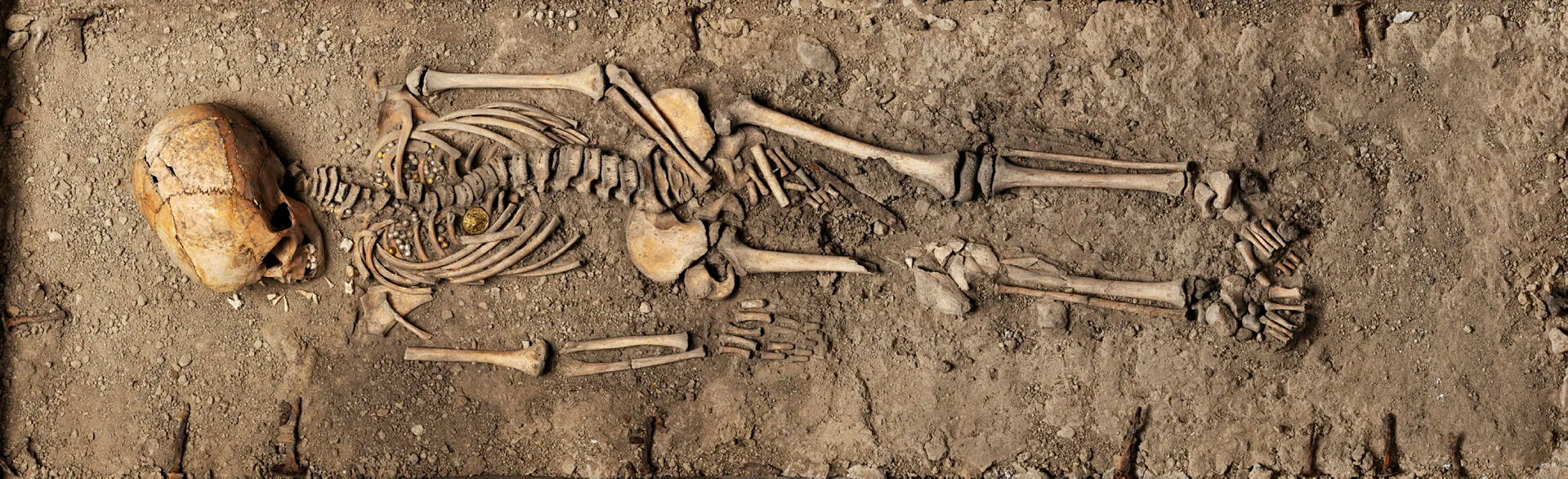
The girl from Birka
The skelton of a child who lived in Birka in Lake Mälaren 1,100 years ago. She was only 5 or 6 when she died. It was not uncommon for children to die young, as today’s healthcare and medicines did not exist. The Birka girl was buried with a knife, a needle box, a brooch and a valuable necklace. Perhaps these were her most important belongings. Here you can see a reconstruction of her.
On view at Historiska museet in the exhibition Vikingarnas världFind this object in display 90, Vikingarnas värld Monter 90
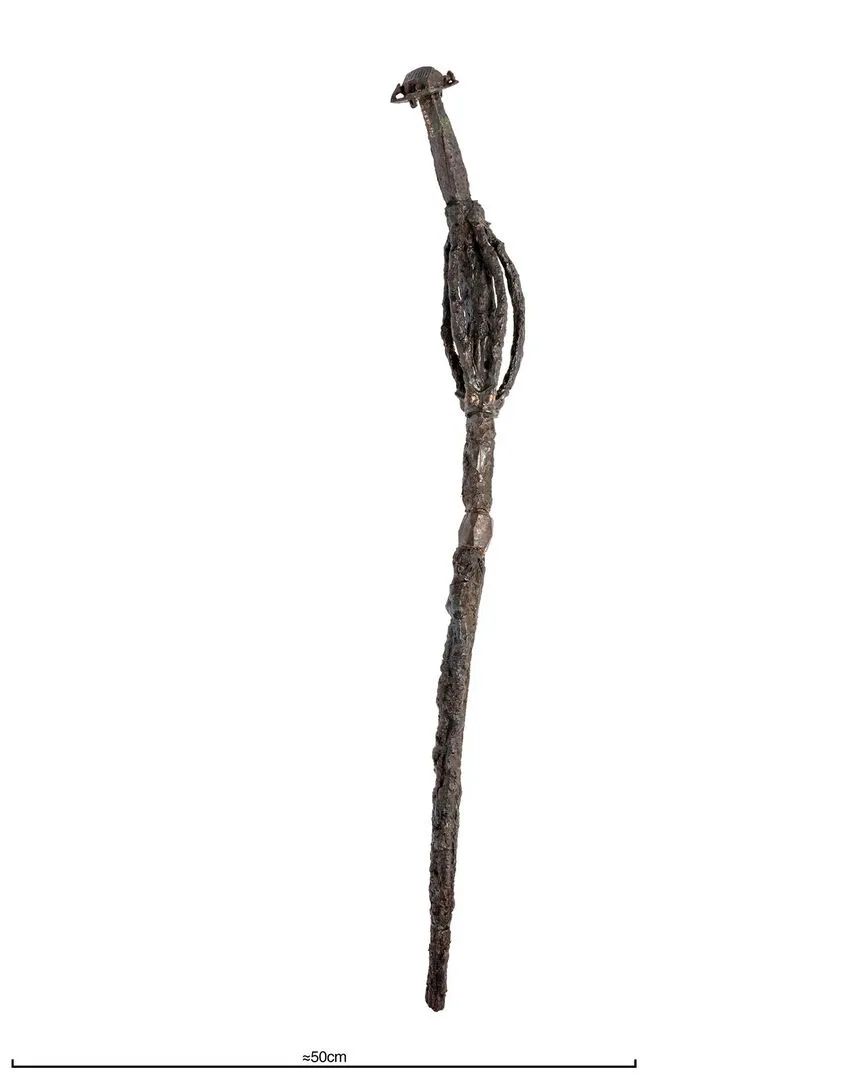
Staff from the Viking Age
The metal rod is a Viking Age find from Klinta on Öland. The staff was likely used by a völva, a special figure in Viking society. She was a seeress, a kind of fortune-teller, with the ability to look into the future.
On view at Historiska museet in the exhibition Vikingarnas världFind this object in display 68, Vikingarnas värld Monter 68
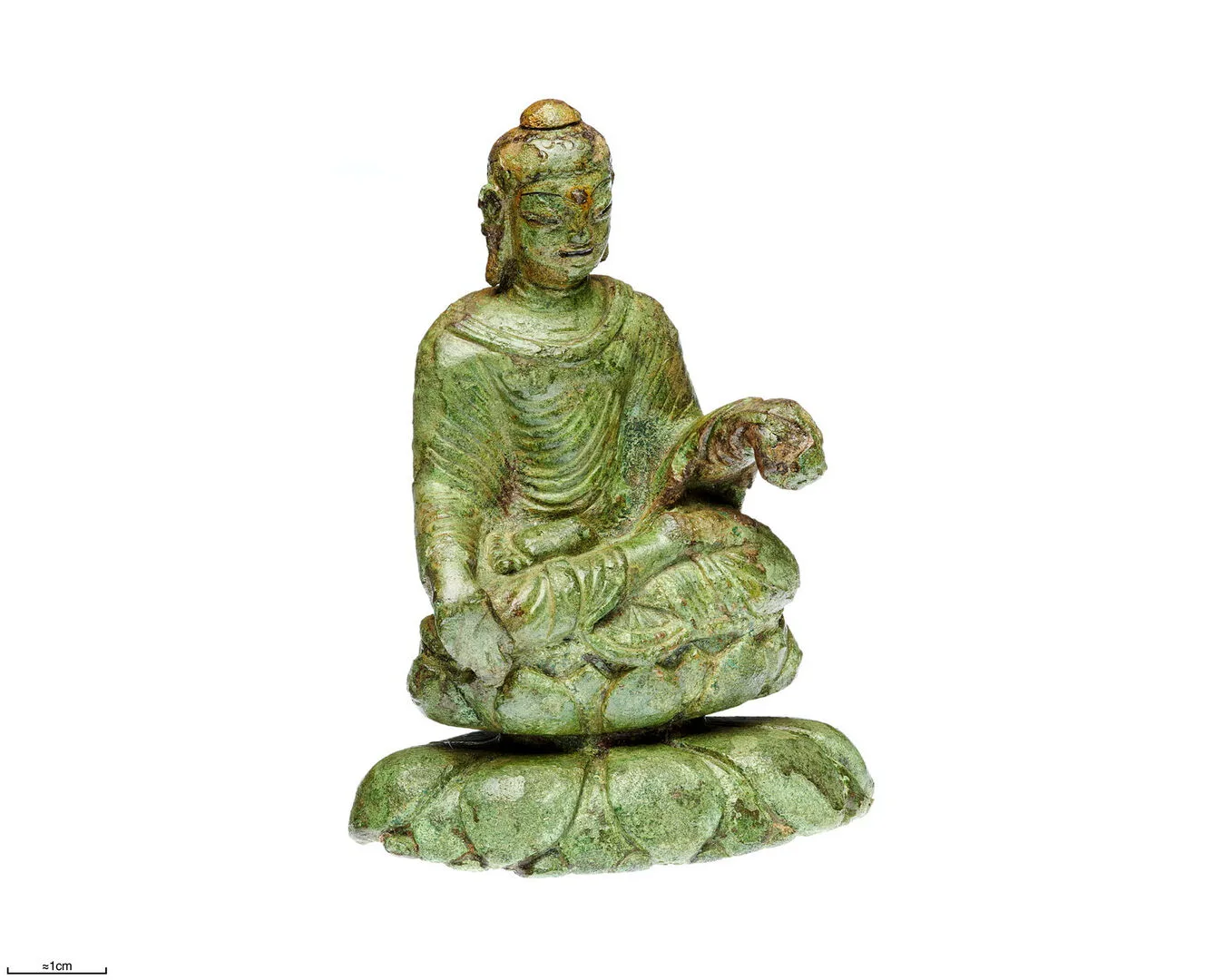
Buddha who has travelled far
During an archaeological excavation on Helgö in Lake Mälaren, a small bronze statuette depicting the Buddha was found. The Helgö Buddha was made in the Swat Valley, in what was then India, during the Iron Age more than 1,500 years ago. How it made its way here, we do not know.
On view at Historiska museet in the exhibition Vikingarnas världFind this object in display 07, Vikingarnas värld Monter 07
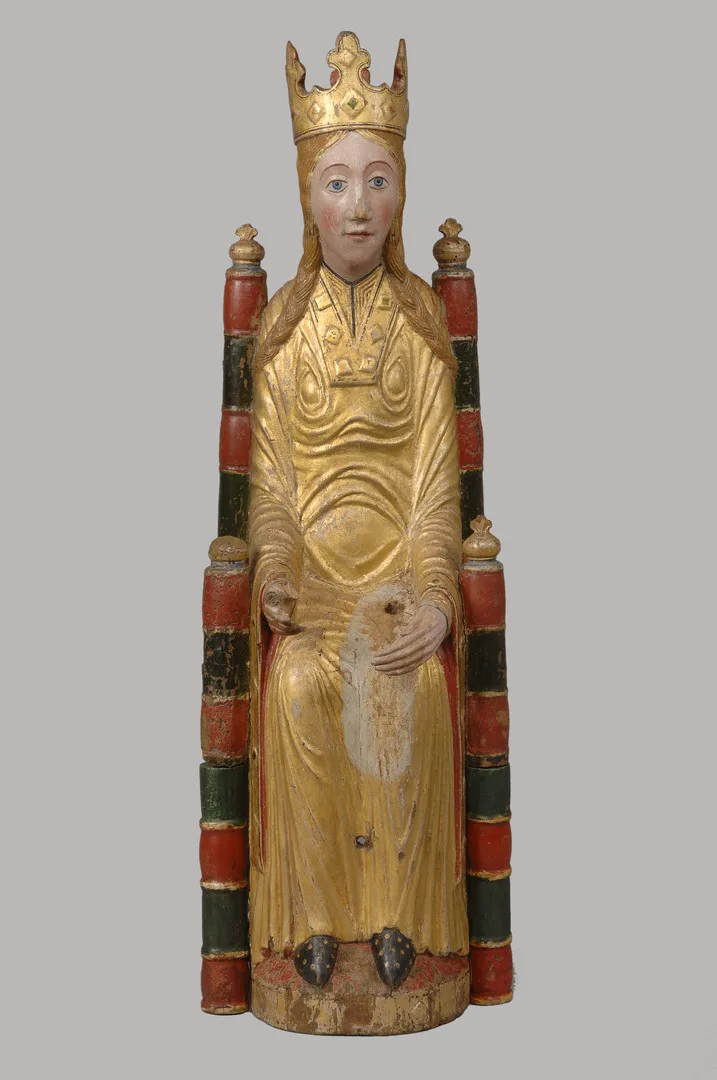
Madonna with a secret
A few years ago, a small animal bone from the Bronze Age was discovered inside the head of this wooden sculpture! The bone is believed to have been used as a relic – a body part or object that belonged to, or touched, someone who was declared a saint. This sculpture from Viklau Church on Gotland depicts the Virgin Mary and was made in the Middle Ages, about 900 years ago.
On view at Historiska museet in the exhibition Medeltida konst
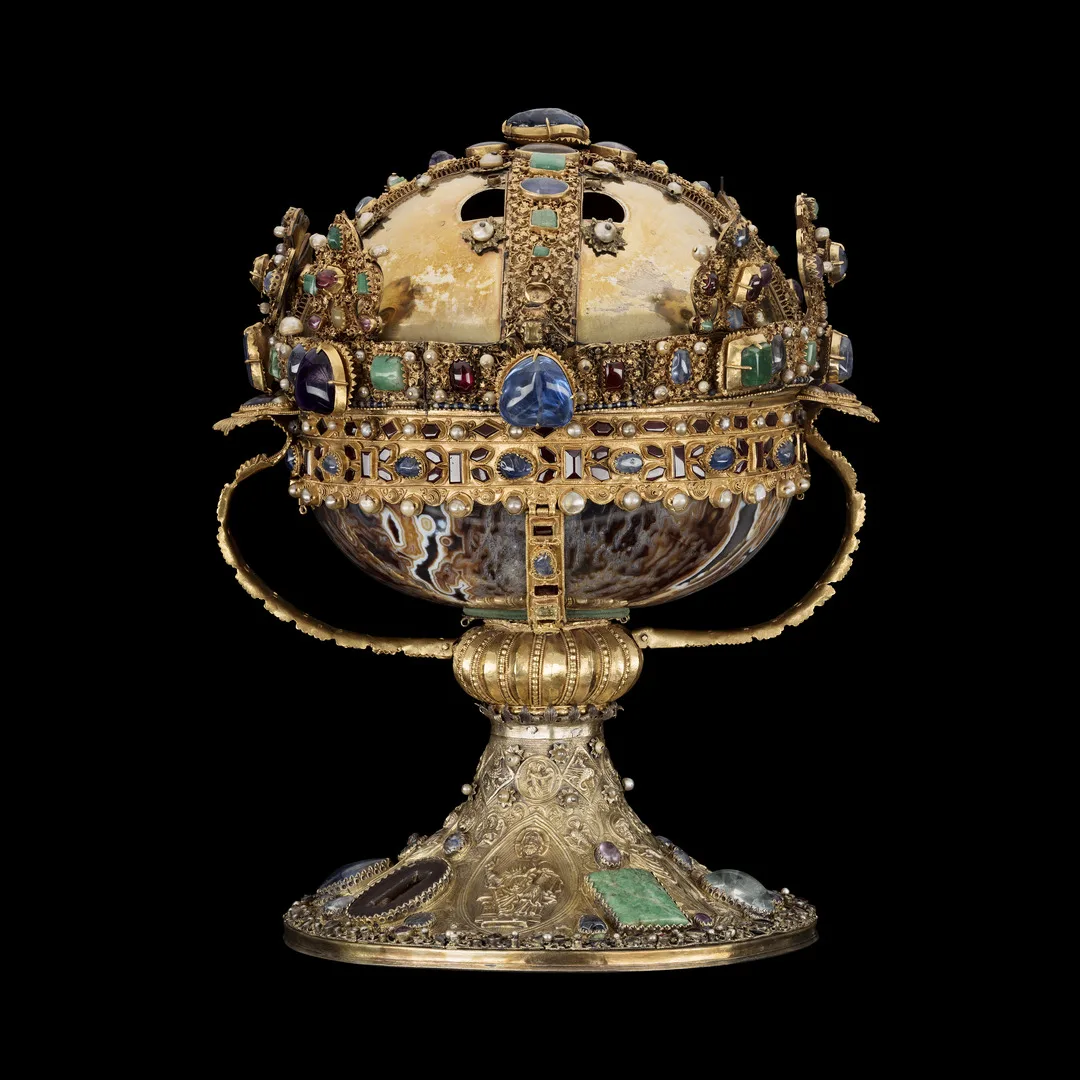
Elizabeth reliquary
This object has been used in different ways from the Iron Age until today. Around 1,400 years ago, it was used as a drinking cup. Later, it was remade into a bowl and decorated with precious stones. Later still – 800 years ago – it was transformed once again, this time to serve as a reliquary for the skull of Saint Elisabeth of Thuringia. In the 1600s, it was brought to Sweden as war booty from Germany. Today the Elisabeth Reliquary is a museum object. Clearly, reuse has always been in style!
On view at Historiska museet in the exhibition GuldrummetFind this object in display Monter 28, Elisabethrelikvariet