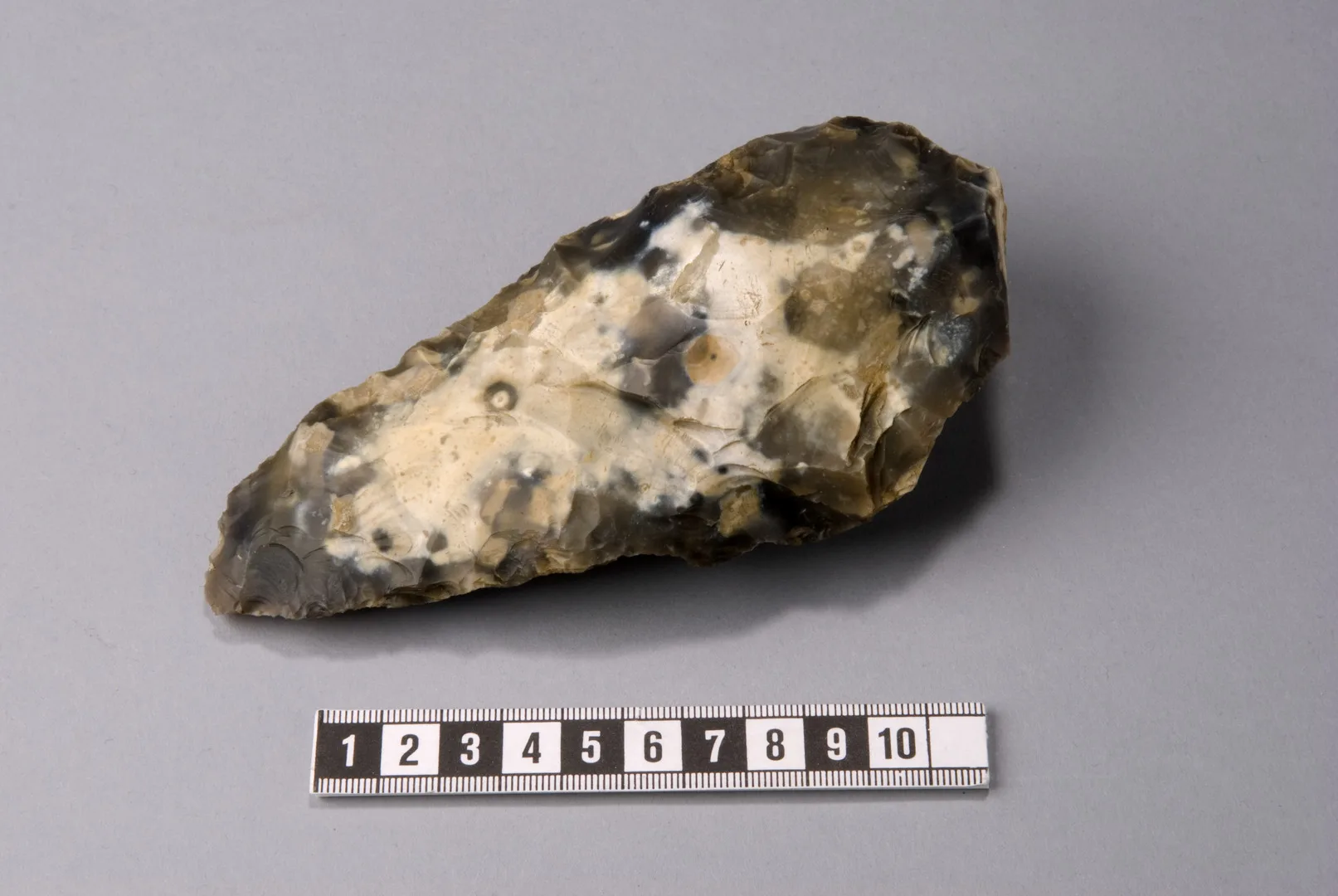
The display is currently being changed. It will reopen with new contents 2 April 2026.

Current Archaeology

In the museum’s entrance, we showcase exciting artefacts from current archaeological excavations. The objects in the showcase are rotated from time to time, so stop by and see what you find! You can see artefacts from Sylta in Västmanland, Sweden.
On view: 2 April 2026 – 4 april 2027

Archaeological finds from Sylta, Västmanland

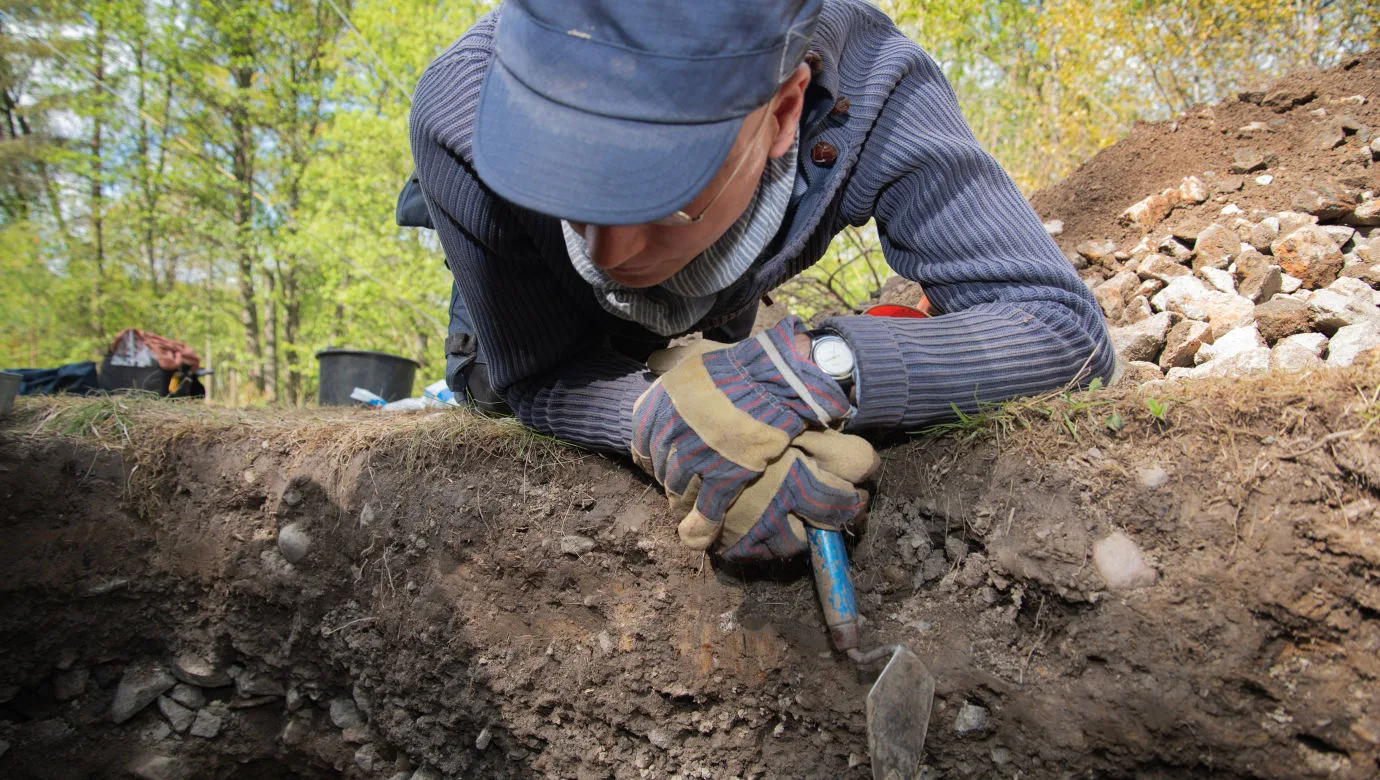
In 2021, the archaeologists at the National Historical Museums of Sweden investigated a Viking Age burial ground in Sylta, outside Köping. This was once the site of a Viking Age farm, with a nearby burial field. At the Swedish History Museum, several objects from the excavation are on display, including horse gear with decorated buckles, spurs, and bits.
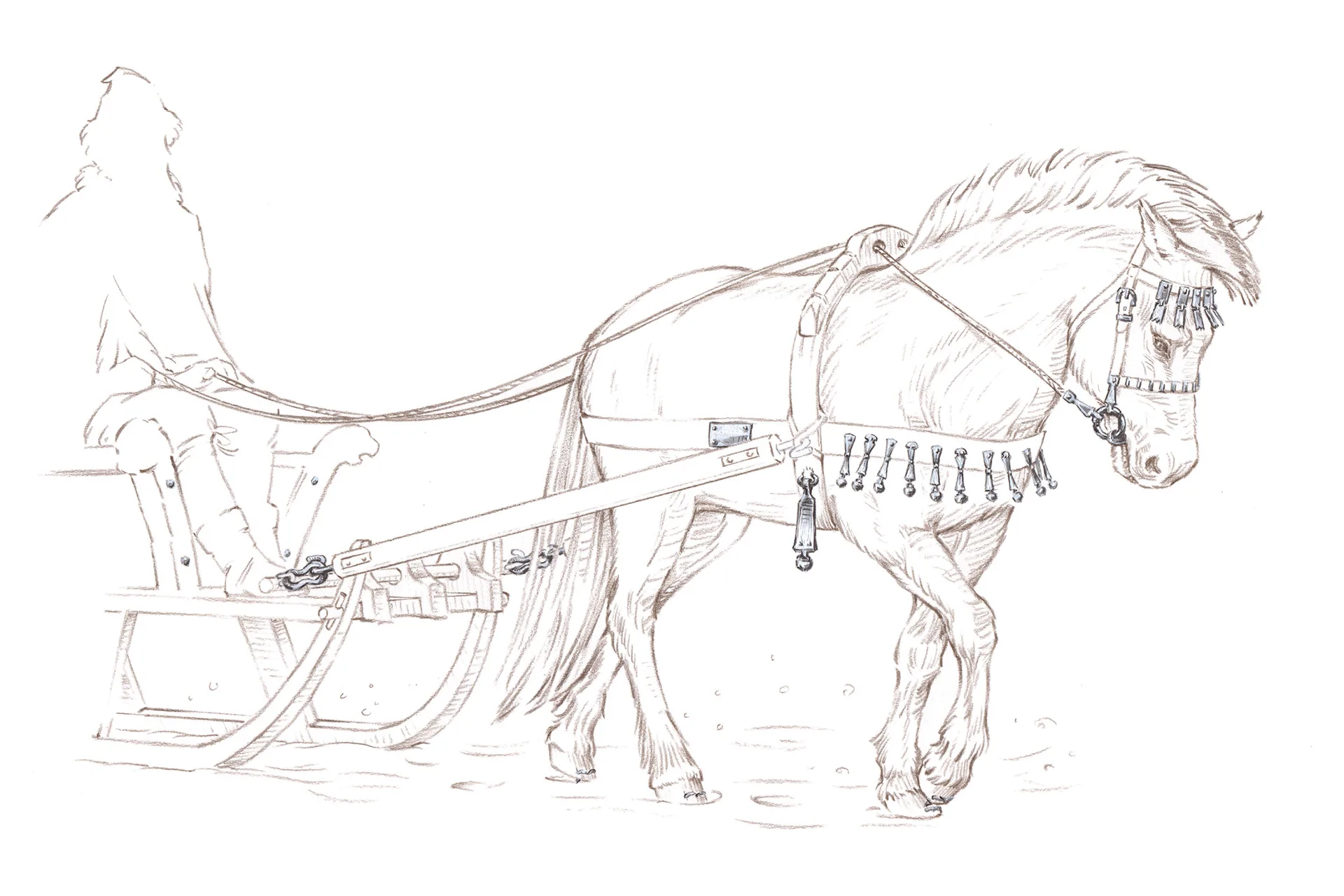
Illustration of horse with decorative elements pulling a sleigh
Illustration: Mats Vänehem.

The finds are unusual from a Swedish perspective and suggest that horses held a special significance in the area. The richly decorated equipment has been interpreted as a kind of local “horse costume”, something that has no clear parallels from the same period.

In a large number of graves, the deceased had been buried with horses—more than 500 iron objects connected to horse equipment were found in total. The horses had been cremated along with parts of their harnesses, where bits, spurs, fittings, and other objects were preserved in remarkably good condition after more than 1,000 years in the ground. The horse may have been seen as a helper for the deceased in reaching the realm of the dead.

See these fascinating objects in the temporary exhibition Current Archaeology at the Swedish History Museum. The newly discovered items are displayed in a case near the entrance.
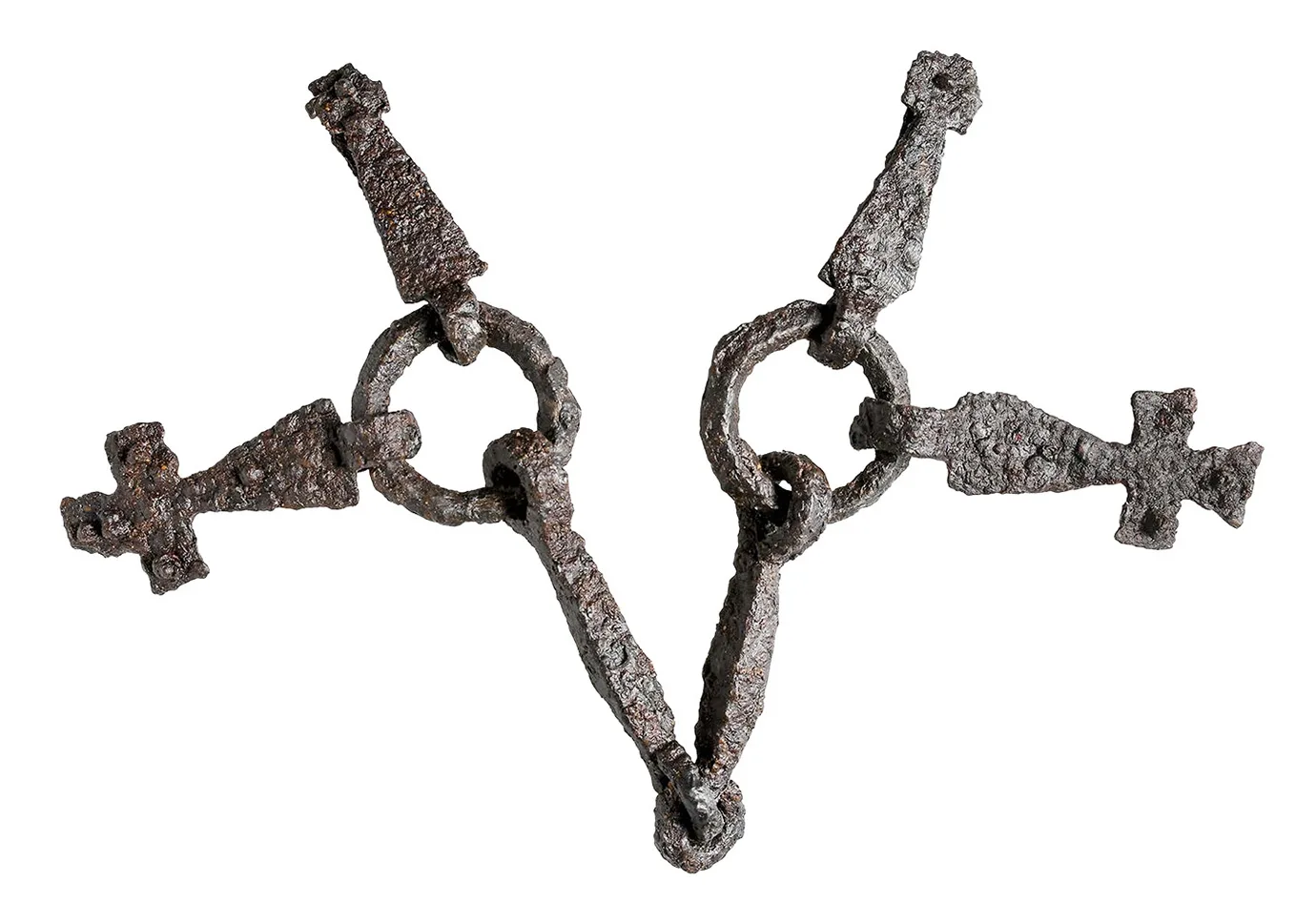
Metal object with things hanging off it
Image: National Historical Museums, Sweden.

The exhibition is a collaboration between the Swedish History Museum and The Archaeologists.

Current Archeology: past displays

2025

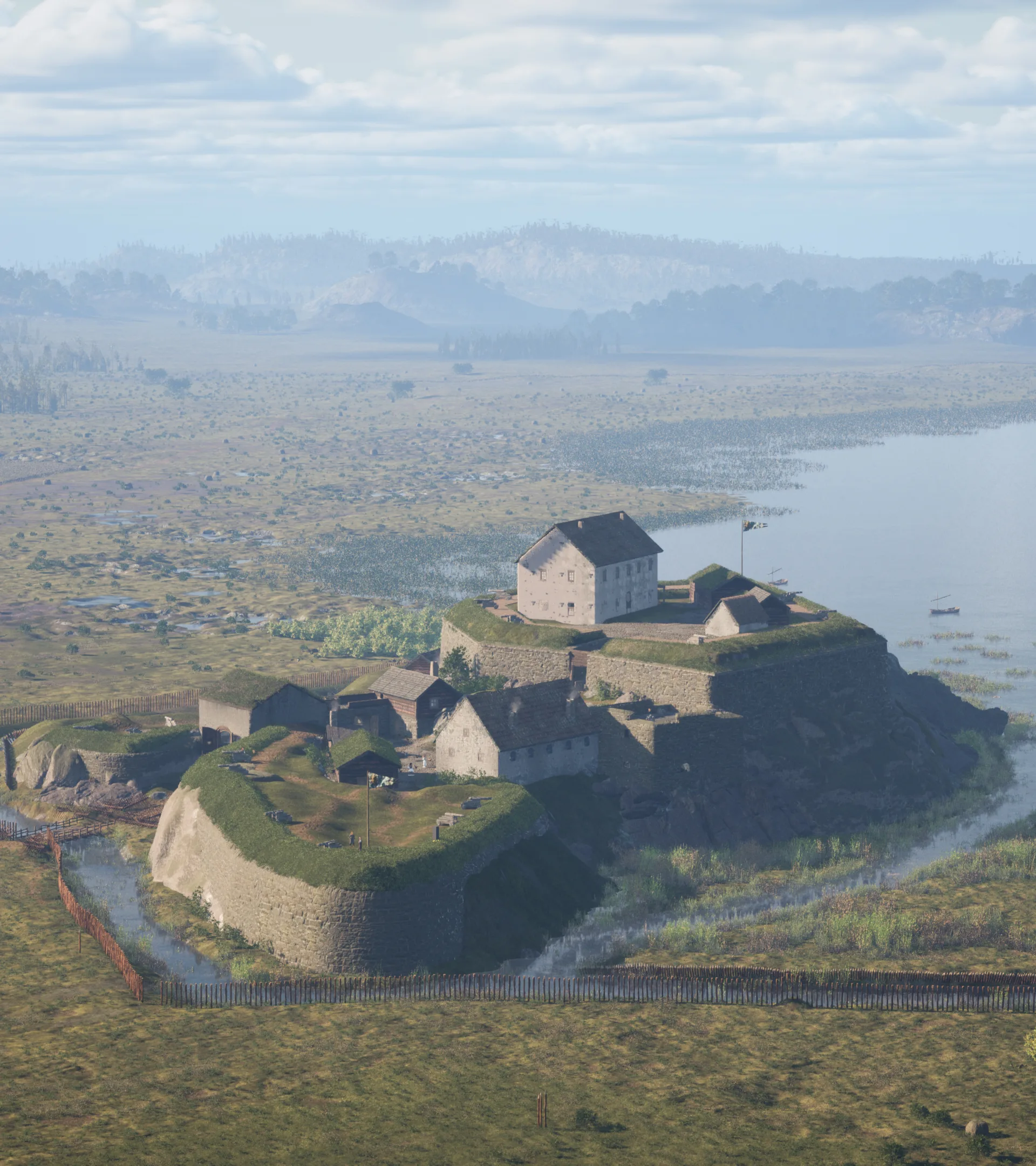
Gullberg Fortress

Finds from Gullberg Fortress in Gothenburg, Sweden.

Digital reconstruction of a fortress
2024

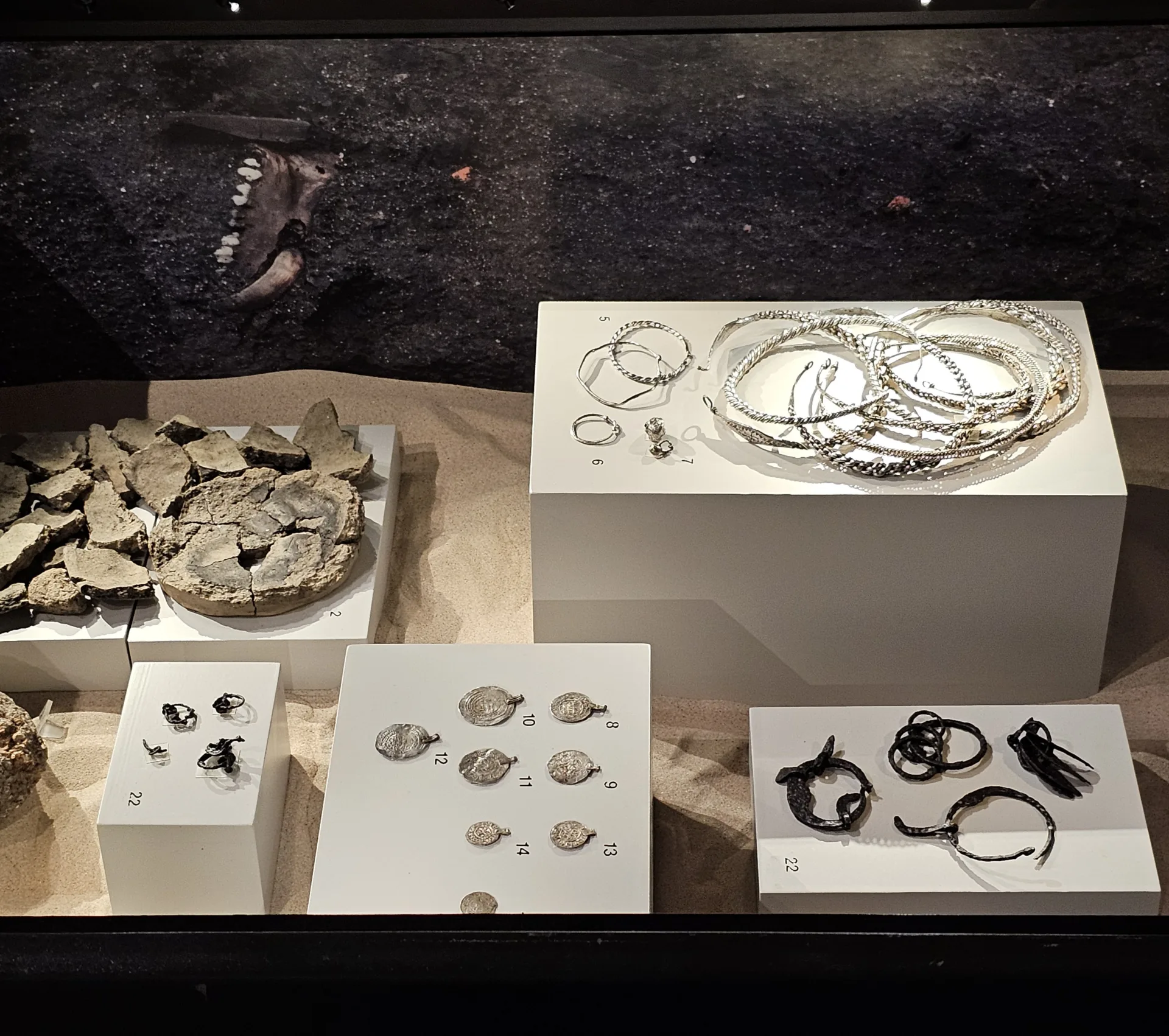
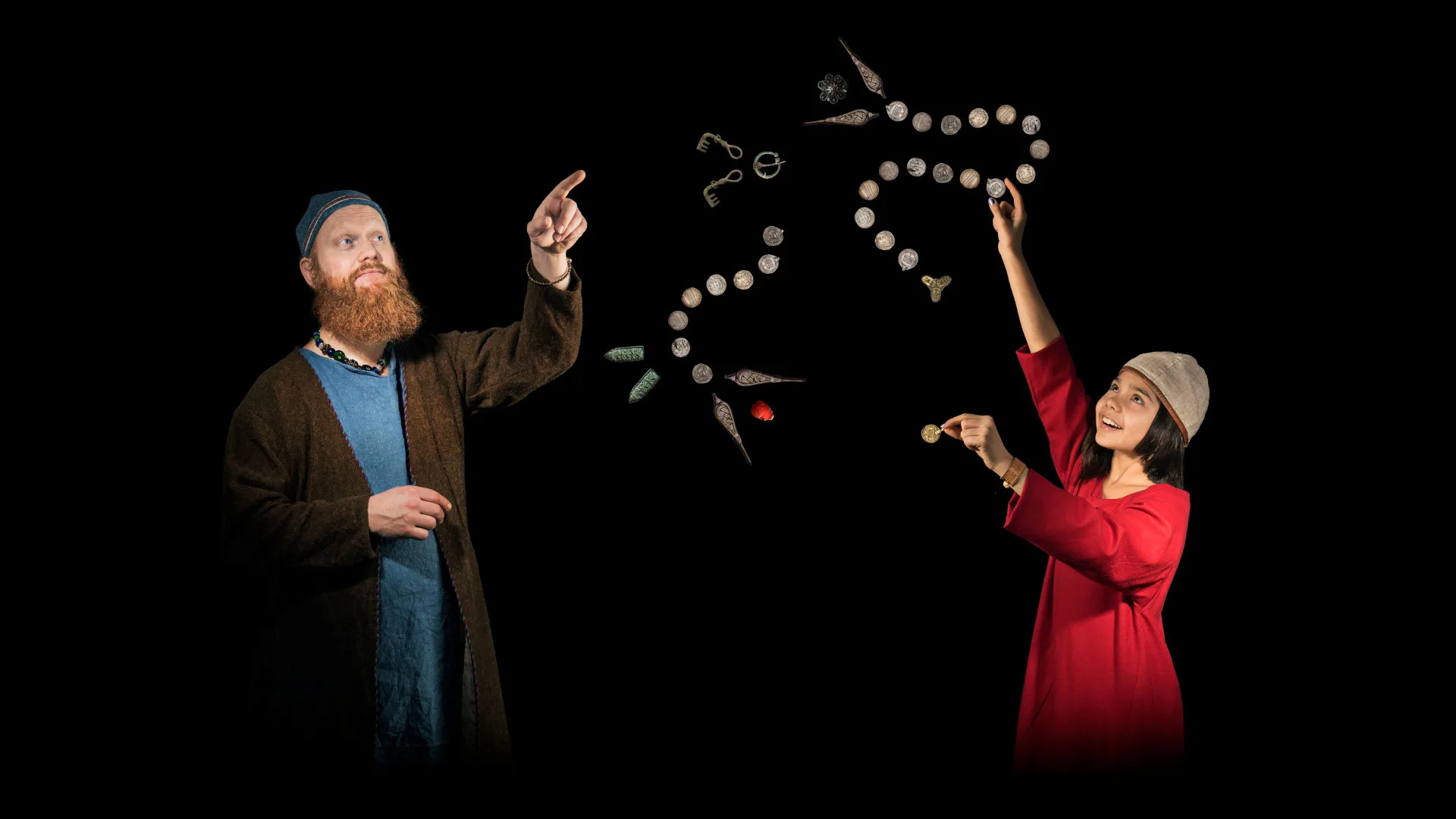
The Silver Treasure from Viggbyholm

Finds from Viggbyholm, Sweden.

Silver treasures like coins and jewellery

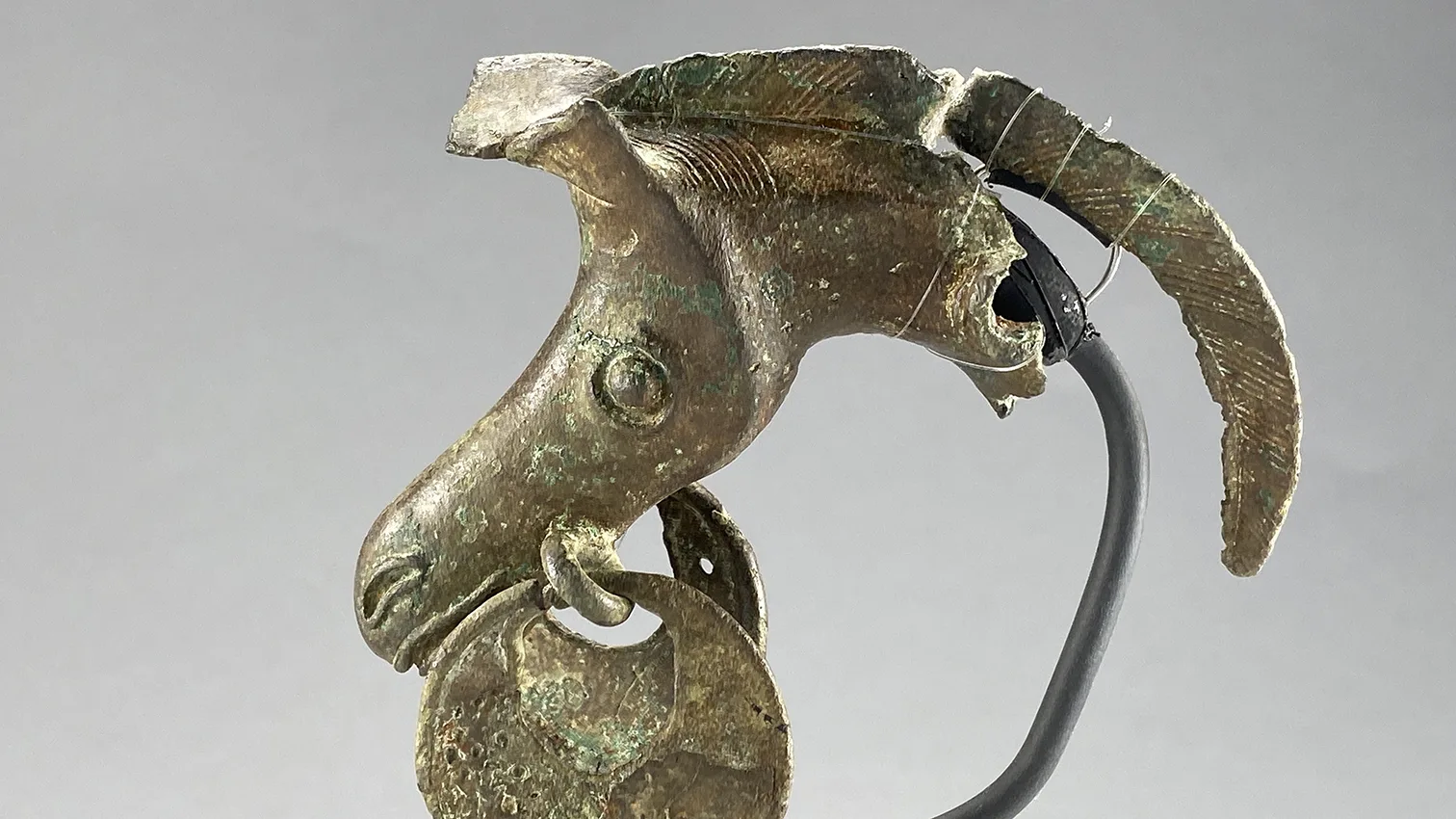
The horse – status symbol and sacrificial offering

During the Nordic Bronze Age, the horse held high status. At the same time, this meant that horses were important animals for sacrifice. Objects associated with horses were also considered appropriate as grave goods or votive offerings.

Hästhuvud av brons
Photo: Thomas Eriksson, The Swedish History Museum/SHM

Equestrian gear of a Bronze Age goddess

The horse has long been a highly desired and exclusive animal in Scandinavia. Throughout history, horses have often been associated with men and warfare. In the collections of the Swedish History Museum are several pieces of equestrian equipment from the Bronze Age.

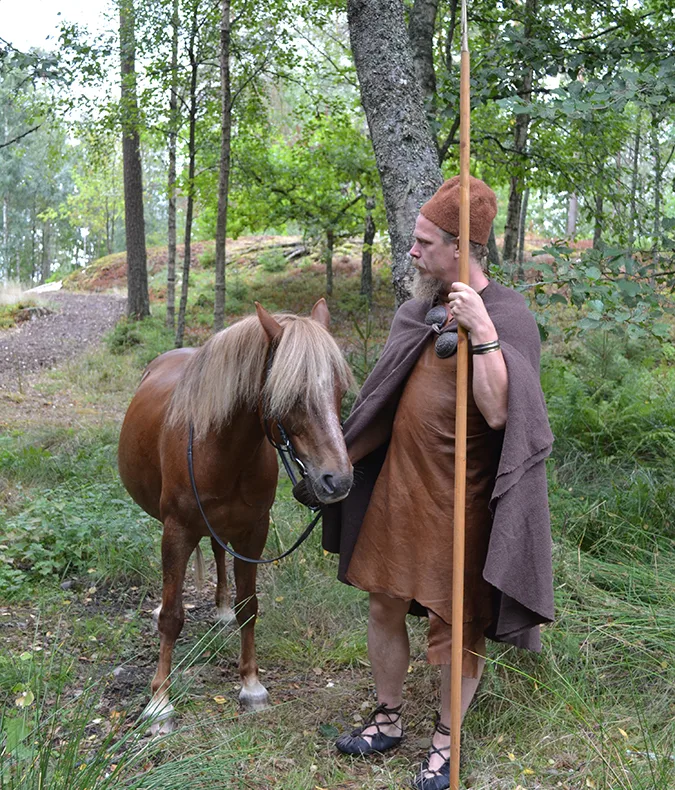
Man in simple clothes and a small horse
Photo: Linda Wåhlander, Swedish History Museum/SHM.

You may also be interested in: