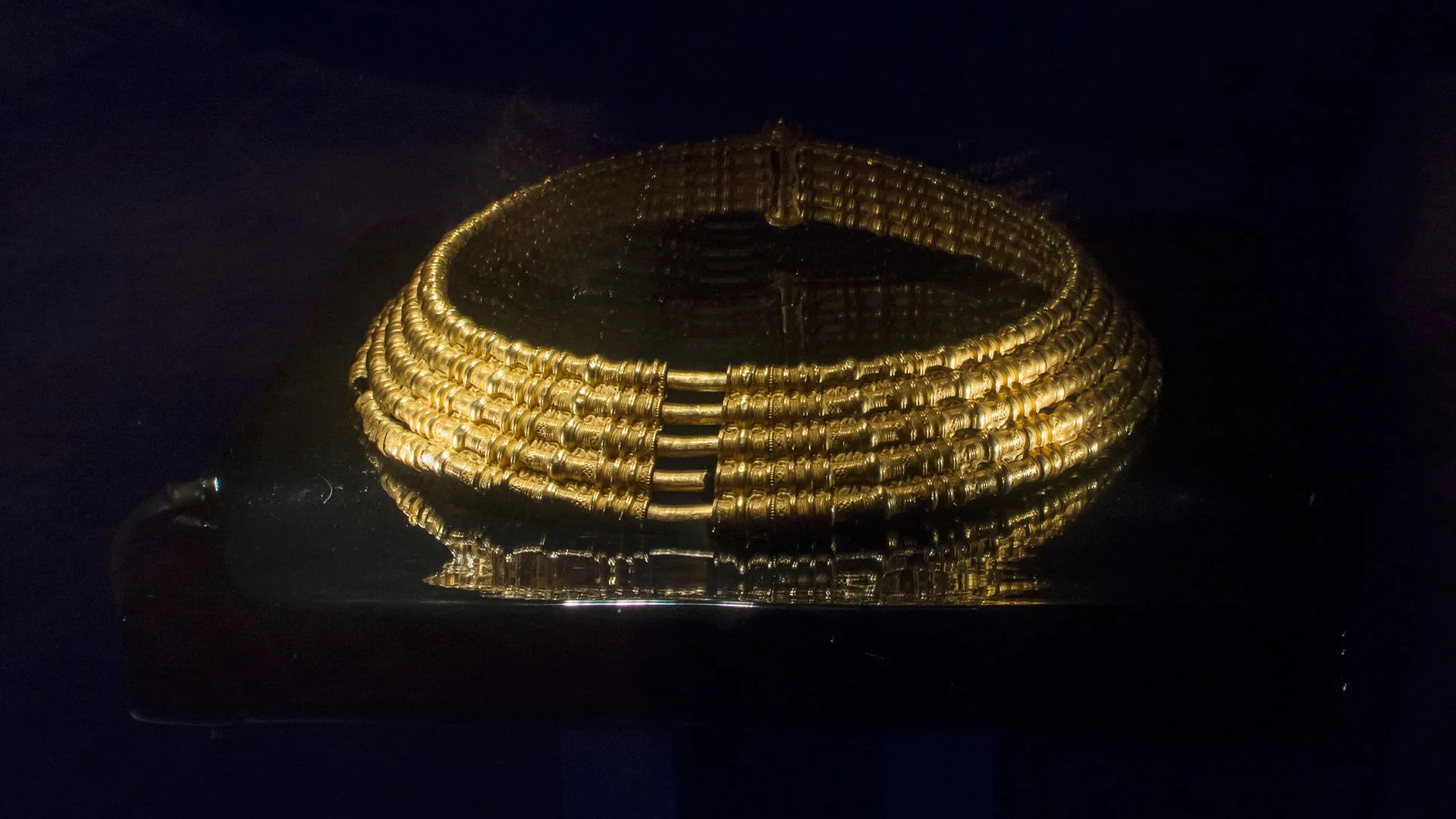
Pile in Scania - A stockpile from the Early Bronze Age
Stone Age
12,000 BC – 1700 BC
Bronze Age
1700 BC – 500 BC
Iron Age
500 BC – AD 1100
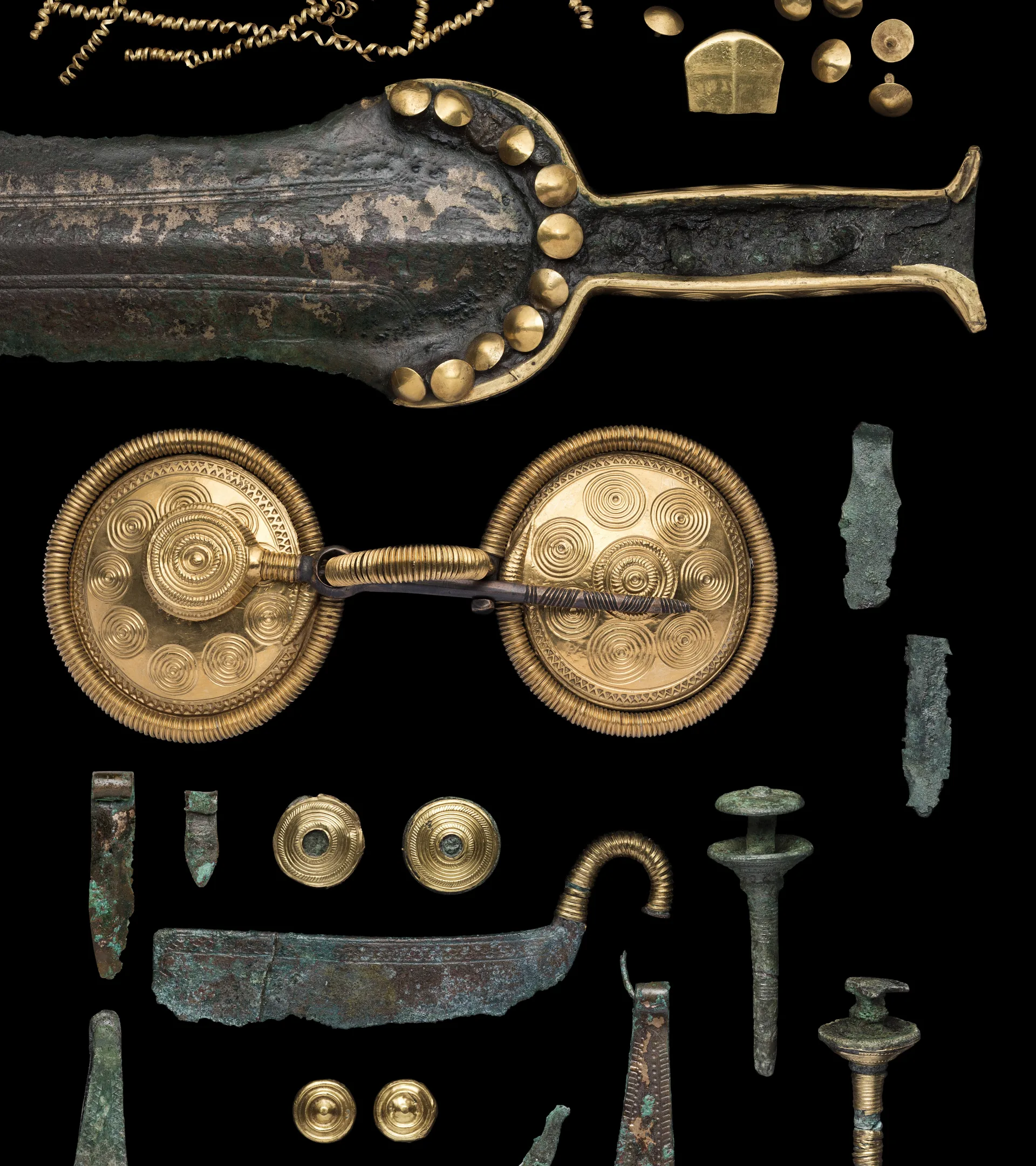
Bronze is an alloy, a mixture of copper and tin. The tin content typically ranges between 5 and 30 per cent, depending on the desired hardness. Unlike iron, bronze cannot be forged with a hammer but must be cast in moulds made of clay or stone.Bronze casting was a novel technique around 4,000 years ago. The knowledge likely came from mainland Europe, possibly brought by itinerant artisans. Both raw metal and finished objects were imported from mining regions in western, central, and southeastern Europe, where the metal was extracted under harsh conditions for the miners of the time.
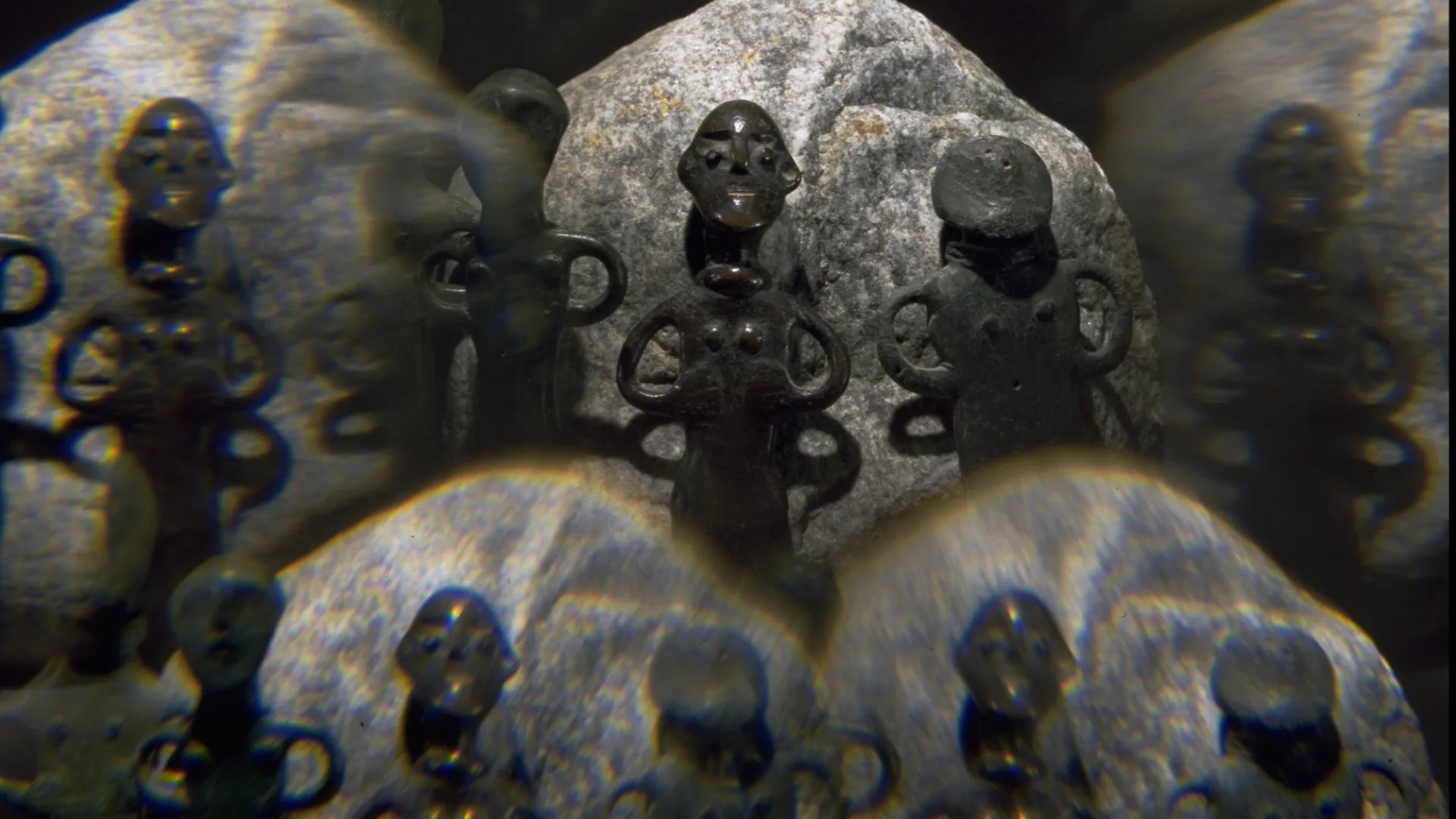
The production of locally made objects in Sweden increased rapidly. Scandinavian bronze casters developed a distinctive craft with elegant forms and intricate decoration.
A hidden stockpile?
Occasionally, archaeologists discover a bronze caster’s hidden stockpile: tools and materials that were never retrieved. One of the oldest and largest Bronze Age metal finds in Sweden was uncovered near Malmö.
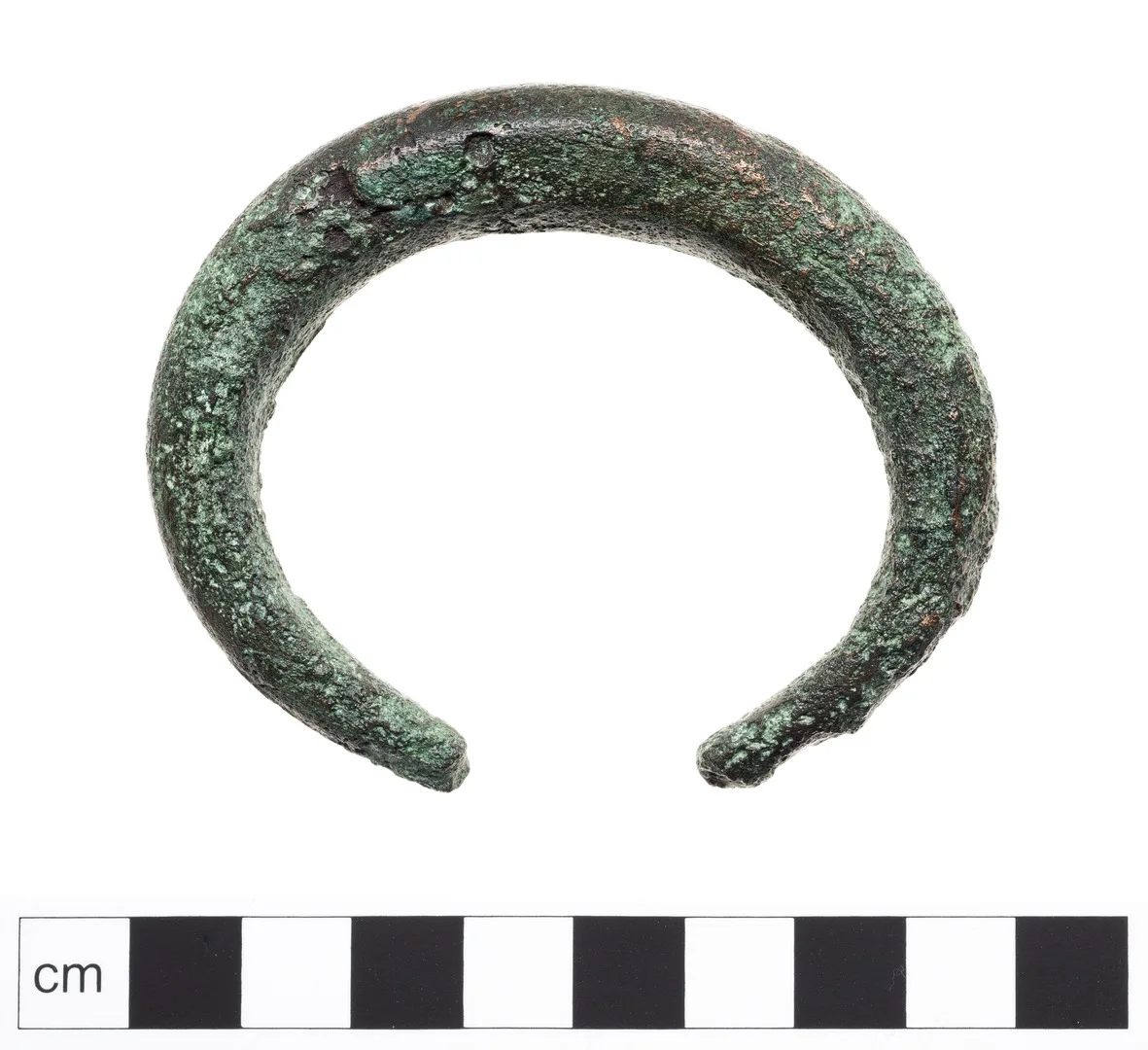
This find included thirteen bronze axes, five broken daggers, two arm rings, and raw material in the form of open bronze rings. One of the axes originated in Ireland. The others were likely made in Scandinavia using metal imported from Central Europe. This is the oldest known metalworking hoard in Sweden. It was found at Pile in Tygelsjö, Skåne, and dates to around 1950–1700 BC.
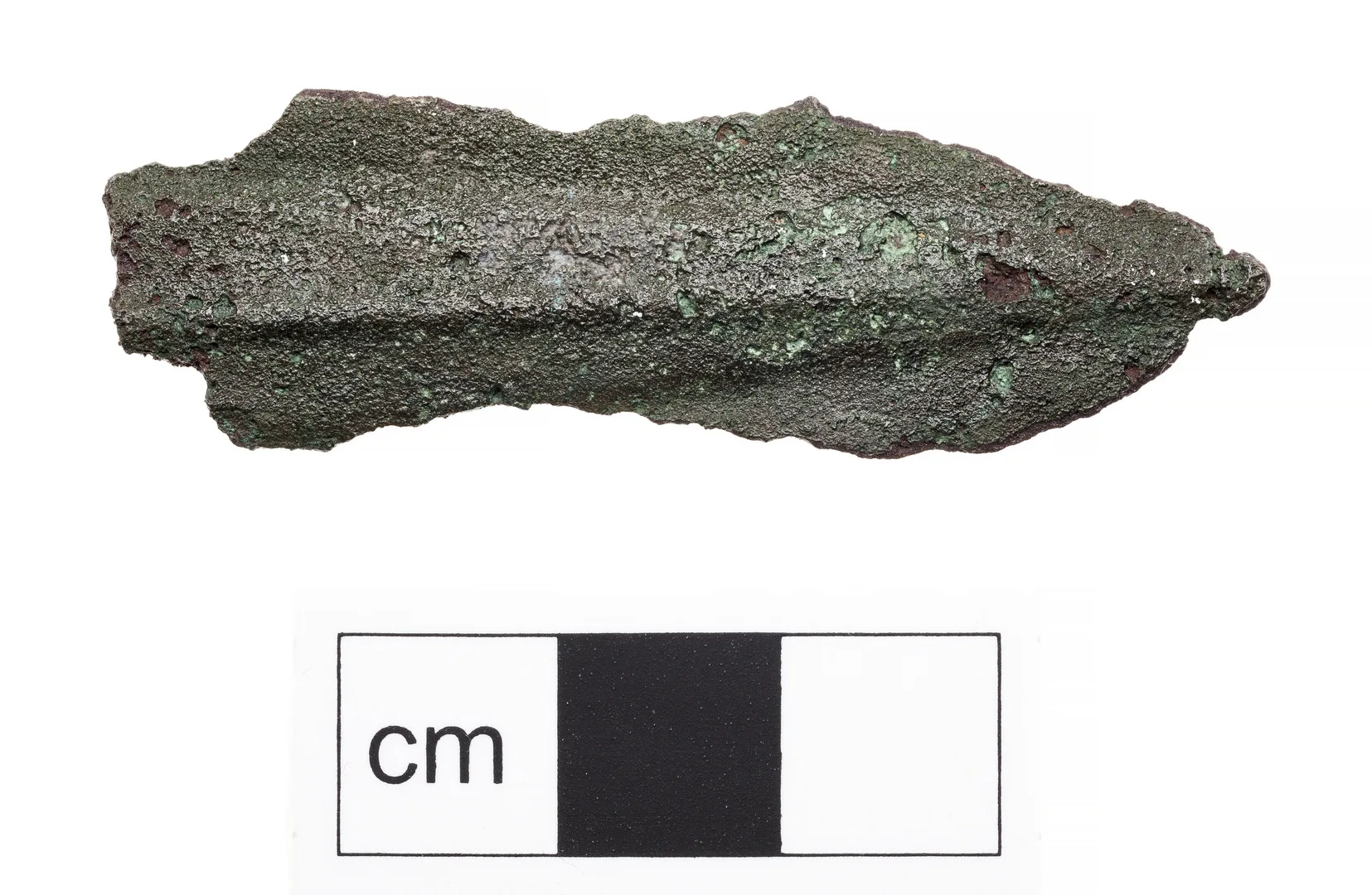
Bronze dagger
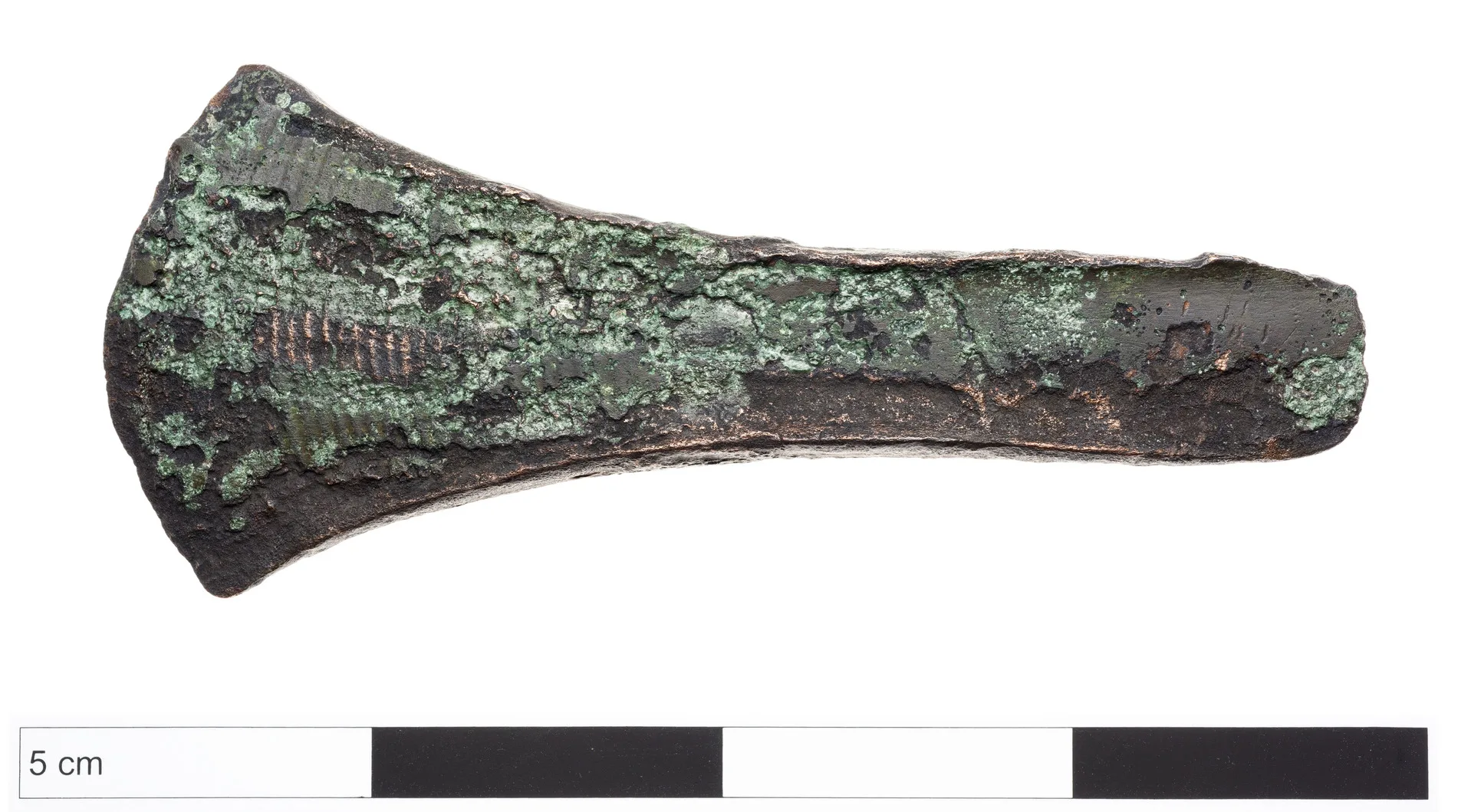
Bronze axe
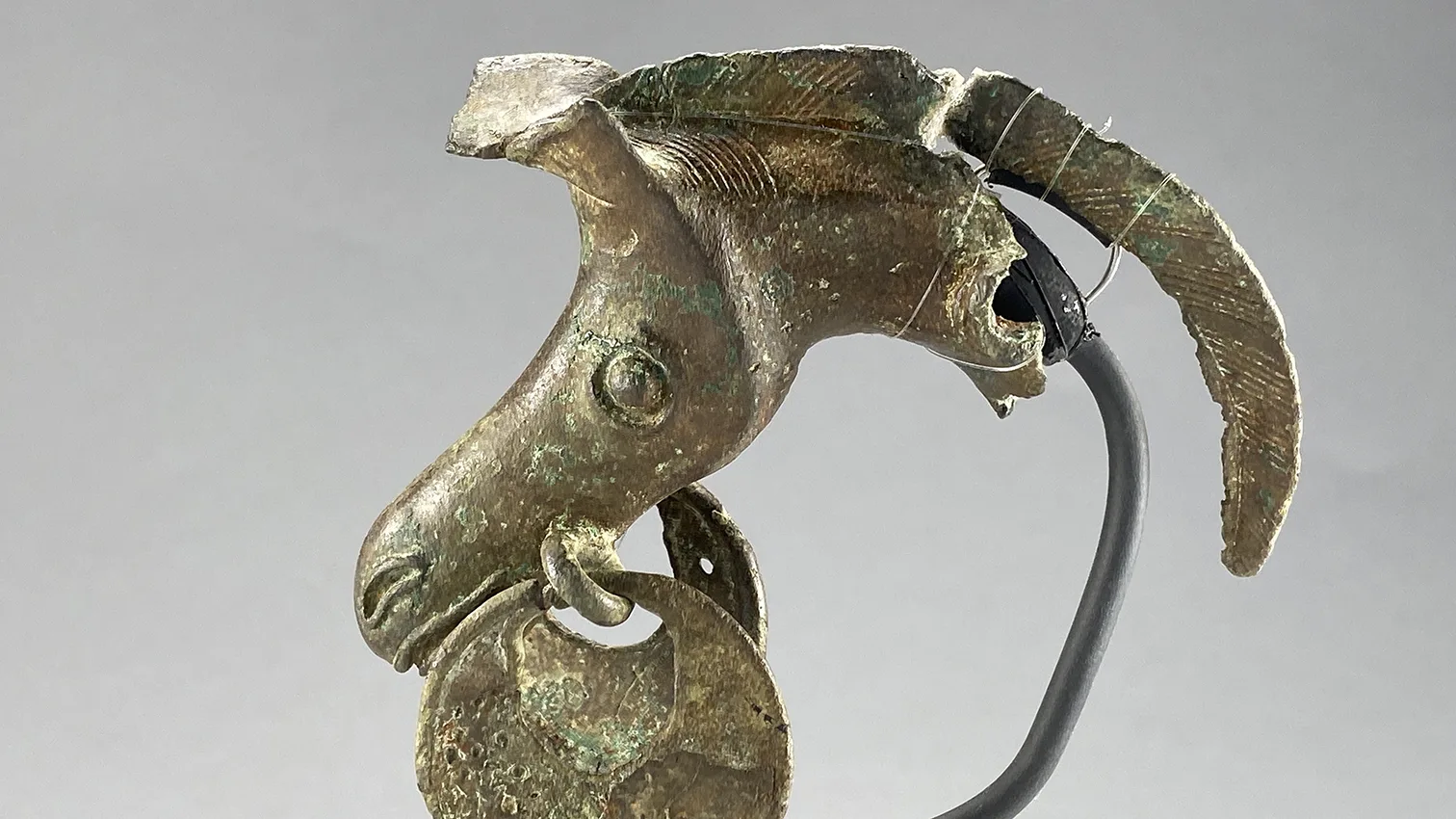
Despite the rapid popularity of bronze, the most common materials for tools and weapons remained stone, wood, and bone. Towards the end of the Bronze Age, iron objects became increasingly widespread. However, bronze continued to be used for jewellery and decorative items throughout the entire prehistoric period.